A couple of weeks ago we went to the Butterfly Festival at Close park. They have a butterfly garden, which, strangely, appeared to be butterfly free. All the butterflies were in the new butterfly house, along caterpillars and demonstrations of the entire butterfly life cycle. It was geared to educating children, but it seemed the house was just as full of adults hoping to see a chrysalis transform to a butterfly.

No such luck, but there were plenty of beautiful butterflies to chase around the building with my camera.

We had been to Close Park before and had enjoyed the rose garden and the
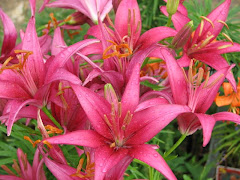
hosta garden, then walked around the lake. But until this event, we had no idea of the many gardens that were in the park. There is an English garden, a Lily garden, an ornamental grass garden, and many others. This will be a place I will return to again and again to see what is blooming throughout each season. Did I mention that it is free?

The amazing thing is that the garden is strictly a volunteer effort. Donations and public funds keep the garden up and running, and each garden is designed and maintained by volunteers. Ultimately, there are a total of 41 different garden styles planned. Volunteers (
Friends of the Garden) have worked for years to raise interest and money for a Botanical Center in the park. That goal has been reached, surprisingly enough, during the most difficult economic environment in many years. The Center is scheduled to open in 2010.

As for my garden, the Black Beauty zucchini is dying and the Lemon squash is producing heavily and taking over the back yard. The Lemon cucumbers are doing pretty good, as well. The rat-tailed radish plant is still producing, thankfully in much smaller quantities. Long beans everyday, along with a few snow peas. The zinnias are blooming all over the place, but they look horrible because of the blasted Japanese beetles. I have a row of pink crepe myrtles (plus one white one, it was an accident) along the neighbor's fence in back , but they only have blooms on the bottom because the beetles apparently started feasting at the top of the plants.

I'm not tired of squash anymore since we started grilling it or roasting it in the oven. Steamed or sauteed squash was really getting old. I'm still waiting impatiently for some tomatoes. I found two perfectly ripe Snow White cherries on the plant this evening, but something had partially eaten them. I'm really not into sharing my tomatoes with birds or rabbits.
 A couple of weeks ago we went to the Butterfly Festival at Close park. They have a butterfly garden, which, strangely, appeared to be butterfly free. All the butterflies were in the new butterfly house, along caterpillars and demonstrations of the entire butterfly life cycle. It was geared to educating children, but it seemed the house was just as full of adults hoping to see a chrysalis transform to a butterfly.
 No such luck, but there were plenty of beautiful butterflies to chase around the building with my camera.
 We had been to Close Park before and had enjoyed the rose garden and the hosta garden, then walked around the lake. But until this event, we had no idea of the many gardens that were in the park. There is an English garden, a Lily garden, an ornamental grass garden, and many others. This will be a place I will return to again and again to see what is blooming throughout each season. Did I mention that it is free?
 The amazing thing is that the garden is strictly a volunteer effort. Donations and public funds keep the garden up and running, and each garden is designed and maintained by volunteers. Ultimately, there are a total of 41 different garden styles planned. Volunteers (Friends of the Garden) have worked for years to raise interest and money for a Botanical Center in the park. That goal has been reached, surprisingly enough, during the most difficult economic environment in many years. The Center is scheduled to open in 2010.
 As for my garden, the Black Beauty zucchini is dying and the Lemon squash is producing heavily and taking over the back yard. The Lemon cucumbers are doing pretty good, as well. The rat-tailed radish plant is still producing, thankfully in much smaller quantities. Long beans everyday, along with a few snow peas. The zinnias are blooming all over the place, but they look horrible because of the blasted Japanese beetles. I have a row of pink crepe myrtles (plus one white one, it was an accident) along the neighbor's fence in back , but they only have blooms on the bottom because the beetles apparently started feasting at the top of the plants.
 I'm not tired of squash anymore since we started grilling it or roasting it in the oven. Steamed or sauteed squash was really getting old. I'm still waiting impatiently for some tomatoes. I found two perfectly ripe Snow White cherries on the plant this evening, but something had partially eaten them. I'm really not into sharing my tomatoes with birds or rabbits.